
Naji Abbas of Physicians for Human Rights Israel
Naji Abbas visited B8 of Hope while in Geneva to address the UN Committee Against Torture, offering insight into the wider human-rights work of Physicians for Human Rights Israel.

It is always a privilege to speak with university students about the important work of B8 of Hope’s grantees—particularly at a time when conversations about Israel and Palestine on university campuses can become so deeply polarized. We were therefore honored to receive invitations to speak at both the Geneva Graduate Institute and the University of Lausanne.
These encounters offer an opportunity to move beyond abstract political debate and introduce students to the Palestinians and Israelis working every day to build practical alternatives to violence, separation, and despair. They also allow us to share what we have learned through years of supporting grassroots initiatives: that peacebuilding takes many forms, that local actors understand their communities best, and that sustained, trust-based support can help courageous ideas grow.
 At the Geneva Graduate Institute, Mehra Rimer spoke to Professor Cyrus Schayegh’s International History and Politics class about the origins of B8 of Hope, the organizations it supports, and the diverse ways Palestinian and Israeli civil society works to advance peace. During a later session, she was joined by Palestinian nonviolence activist Amira Mohammed, giving students the valuable opportunity to hear directly from someone engaged in this work on the ground. The discussion introduced students to B8 of Hope’s constructive, pro-solution approach and to perspectives rooted in lived experience rather than polarized narratives.
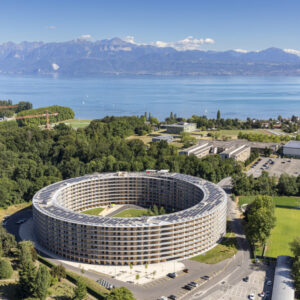 At the University of Lausanne’s Master of Philanthropy program, Mehra and B8 of Hope Advisory Board member Fiuna Seylan Ongen explored the relationship between philanthropy, social innovation, and long-term peacebuilding. They offered students a behind-the-scenes look at B8 of Hope’s adaptive, trust-based funding model and how it enables community-led organizations to respond to changing realities while remaining anchored in their missions. The conversation soon moved beyond philanthropy, opening a particularly thoughtful exchange about cross-conflict cooperation and whether people can continue working together when peace appears impossibly distant.
At a moment when universities seem to be defined by division, these conversations helped create spaces for curiosity, complexity, and imagination where the work of those building another future were heard.
Naji Abbas visited B8 of Hope while in Geneva to address the UN Committee Against Torture, offering insight into the wider human-rights work of Physicians for Human Rights Israel.

Around 20 Palestinian and Israeli activists gathered for an informal dinner in Geneva—a rare opportunity to reconnect, exchange updates, and spend time together beyond formal conference settings.
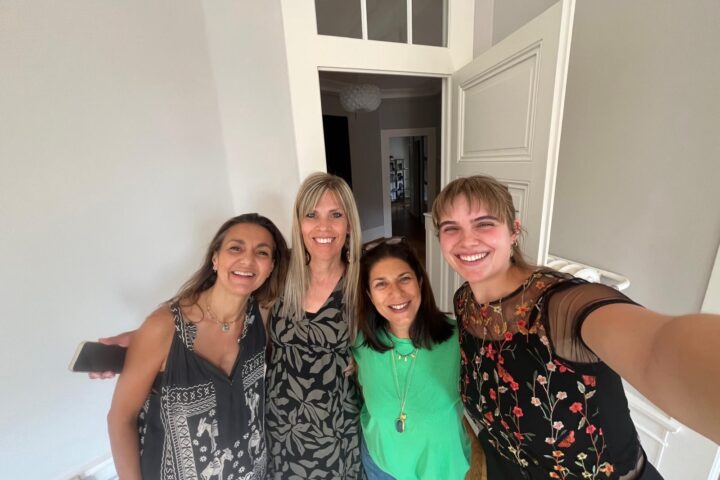
Through research, mentorship, and direct conversations with peacebuilders, B8 of Hope’s Educational Immersive Experience helps young people approach Israel and Palestine with curiosity, empathy, and the confidence to question easy answers.